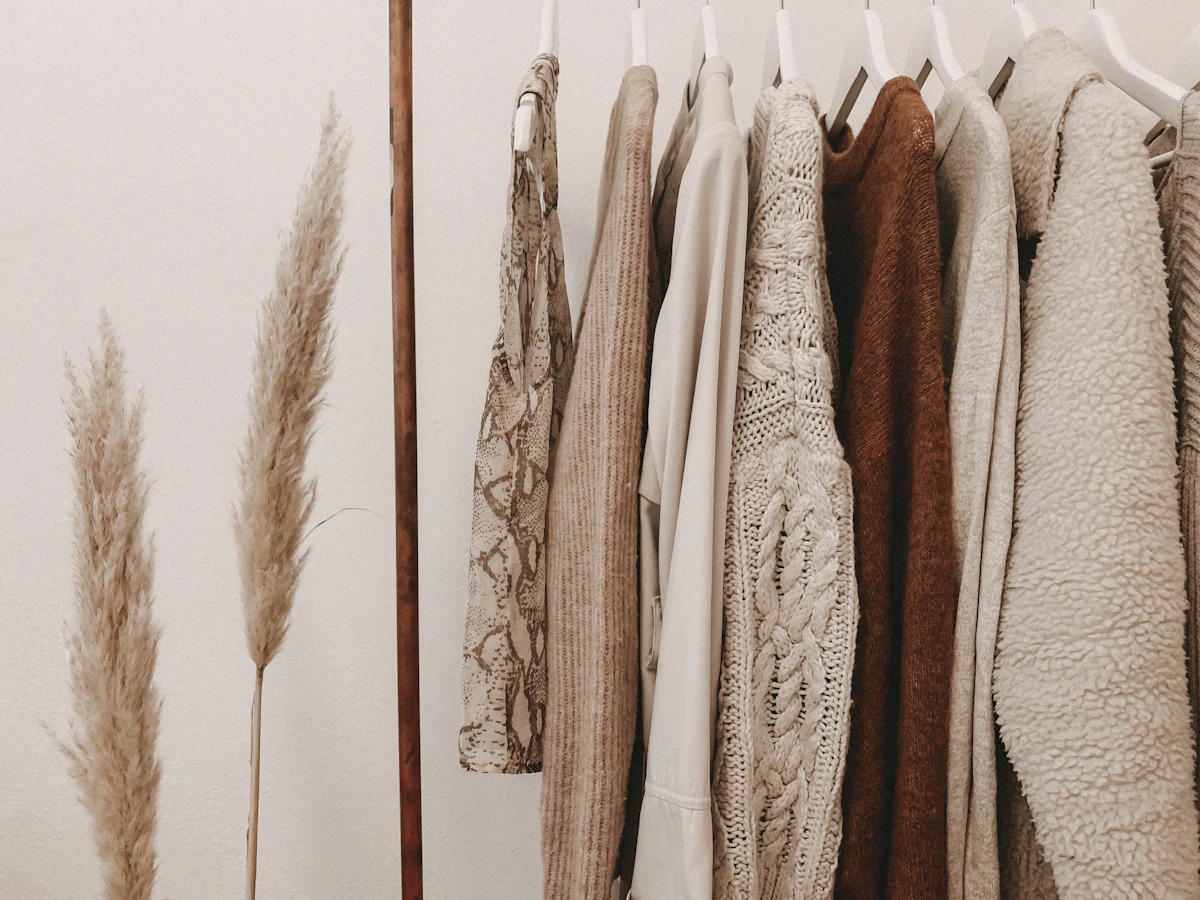

Mitumba — the Swahili term for second-hand clothing bales imported mainly from the UK, USA and Canada — is a multi-billion shilling industry in Kenya. Far from being a low-quality option, mitumba often features premium international brands in excellent condition. The trick is knowing where to go and what to look for.
The Best Mitumba Markets in Nairobi
- Gikomba Market (Eastlands) — the largest second-hand market in East Africa; open daily from 5am. Every category from designer jeans to children's wear.
- Toi Market (Kibera) — great for casual wear, shoes and bags at lower prices than Gikomba
- Kenyatta Market (Dagoretti Corner) — good quality selection, less crowded than Gikomba
- Ngara Market — especially good for suits, formal wear and school uniforms
- Muthurwa Market — household items plus clothing, very affordable
Understanding the Bale System
Clothing arrives in large compressed bales, typically 45–55kg. Bales are sold wholesale and then sorted by traders. The sorting process creates different quality tiers:
- Grade 1 (Cream/Select) — best quality items, sorted individually, higher prices
- Grade 2 (Standard) — good wearable condition, most common in markets
- Grade 3 (Mixed) — lower quality, sometimes sold by the kilo for school uniform fabric or rags
What to Look For When Shopping
- Check seams and stitching — they should be tight with no fraying
- Look inside collars and waistbands for brand labels (Nike, Zara, H&M, Levi's etc.)
- Check for fabric pilling, which indicates heavy previous use
- Examine zips — they should run smoothly
- For shoes, check the sole bond and heel wear
- Smell the item — musty odours from storage usually wash out, but avoid anything with deep staining
Price Ranges to Expect (Nairobi, 2025)
- T-shirts: KSH 50–300
- Jeans (standard): KSH 200–800
- Jeans (designer/Levi's): KSH 500–2,000
- Dresses: KSH 200–1,500
- Blazers and jackets: KSH 500–3,000
- Shoes (standard): KSH 300–1,500
- Shoes (branded): KSH 800–5,000
- Handbags: KSH 200–3,000
Online Thrifting in Kenya
The online second-hand fashion market in Kenya is growing rapidly. Platforms like Sokify let sellers list individual items with photos, making it easier to find specific brands or sizes without spending a day at Gikomba.
When buying clothes on Sokify, always ask for measurements, not just sizes — sizing varies by brand and country of origin. Request multiple photos including close-ups of any flaws.
Tips for Getting the Best Deals
- Go to Gikomba early (before 7am) when bales are freshest and competition is lower
- Build relationships with specific traders — they will call you when good stock arrives
- Bargain respectfully — in Gikomba, almost everything is negotiable
- Buy end-of-season (January and July) when sellers discount heavily
- Bring a torch/phone light in covered sections to check fabric quality properly
Mitumba shopping is not just economical — it is one of the most sustainable ways to dress well. With some practice and patience, you can build a wardrobe of quality branded clothing at a fraction of the retail price. Browse fashion listings on Sokify for verified online sellers near you.